Mastering Your Timeline: A Guide to Video Production Success


Overview
Creating a timeline for video production is essential for success, involving three main phases: pre-production (planning), production (filming), and post-production (editing). Effective time management includes detailed scheduling, using project management tools, and maintaining clear communication. Additionally, timely video releases can enhance audience engagement and relevance. Collaborating with a freelance videographer can streamline the process and ensure quality. Prioritize organization and flexibility to successfully bring your video project to life.
Contents
Setting a timeline for video production is crucial for any successful project, whether you’re a business looking to create engaging content or an individual aiming to capture precious moments. In the bustling market of video production Dubai, having an organized schedule can help keep your project on track. From planning to shooting and editing, each phase of production must be carefully timed to ensure a smooth process and timely delivery. Let’s dive into the essentials of establishing a productive timeline for your video production.
Understanding the Stages of Video Production
The video production process typically includes three main phases: pre-production, production, and post-production. Each stage has its own set of tasks and time requirements. Below is a breakdown of each phase:
Pre-Production: This is where the planning happens. Tasks include conceptualizing the video, creating a script, figuring out logistics, and scheduling. This phase can take anywhere from a few days to several weeks, depending on the complexity of the project.
Production: The actual filming of the video takes place in this phase. It can take from one day to several weeks to shoot your footage. The timeline here will vary based on the number of locations, cast members, and scenes that need to be filmed.
Post-Production: This stage involves editing the footage, adding music, sound effects, and any special effects. Depending on the length and complexity of the project, post-production can take several days to weeks.
Creating a Pre-Production Timeline
During pre-production, you’ll want to compile a checklist of all the elements that need to be addressed. This ensures nothing is overlooked. For a successful timeline, consider following these steps:
Concept Development: Determine the purpose of your video and draft initial ideas with your team or a freelance videographer in Dubai. This can take 1-2 weeks.
Scripting: Write a detailed script covering what will be said and shown in the video. This ideally takes 1-2 weeks as well.
Storyboarding: Visualize each scene through sketches or images to better organize the flow instead of just relying on the script. This could take about 1 week.
Logistics: Scout locations and arrange for equipment, talent, and crew. This may involve a week of planning and communication.
Scheduling: Coordinate everyone’s availability for filming days. Depending on the size of your team, this might require an additional week.
Time Management during Production
On the shooting days, time management becomes even more critical. A well-structured shooting schedule will keep your project on point. Here are some tips:
Daily Shooting Schedule: Break the shooting into manageable blocks. Allocate specific times for each scene based on its complexity.
Include Breaks: Don’t forget to incorporate breaks for the crew and talent to maintain high energy levels.
Review Footage: At the end of each day, review the footage to ensure everything is captured as planned. This can help foresee additional filming if necessary.
Post-Production Planning
After the filming wraps up, the timeline shifts into post-production. This phase is crucial for quality, making it essential to manage time effectively.
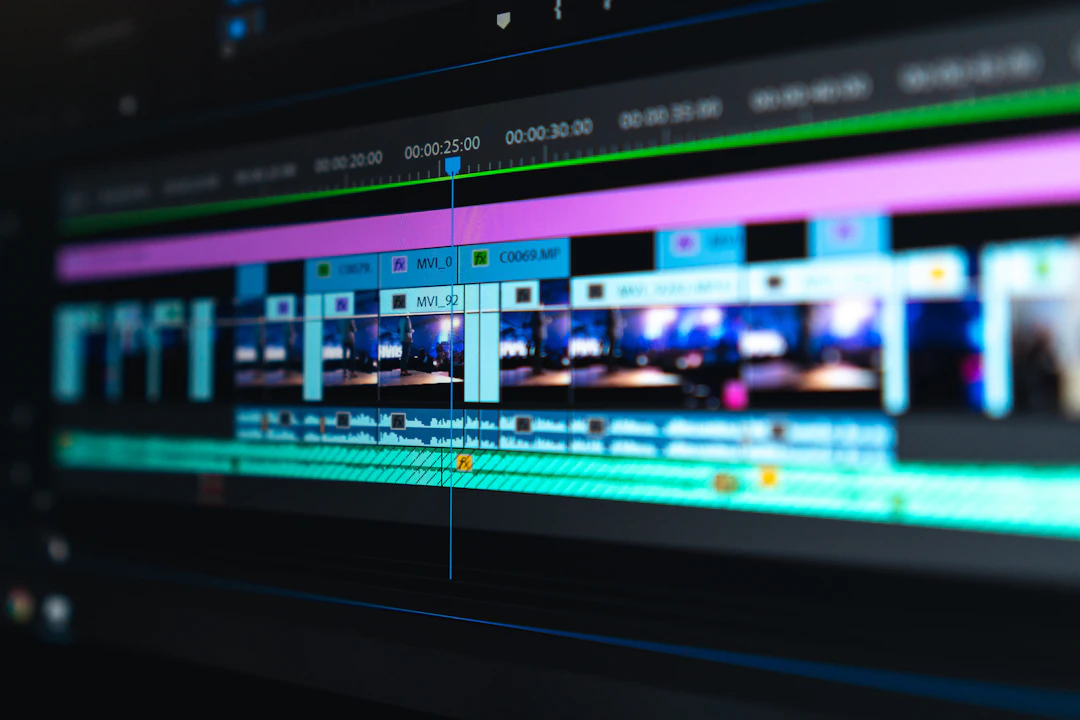
Editing on Schedule: Allocate specific time blocks for editing. Depending on the length and complexity of your video, allow 1-3 weeks for this task.
Initial Review: Conduct an initial review of the completed cut. Time for this may take up to a week for feedback gathering.
Incorporate Feedback: Address feedback from stakeholders and make necessary edits. Depending on the feedback, this could take another week or two.
Final Review: Conduct a final check and polish the video. This should take a few days to ensure everything meets your quality standards.
Tips for Effective Time Management
Time management is an art and a science in video production. Below are some techniques to enhance your efficiency:
Use Project Management Tools: Utilize tools like Asana or Trello to keep everyone on the same page.
Set Deadlines: Assign deadlines for each task, even in the early stages, to keep momentum going.
Communicate: Frequent communication with your team during all phases prevents discrepancies and keeps everyone focused.
Hire Professionals: Engaging a videographer in Dubai can help in managing the production timeline efficiently, ensuring the quality stays high and delivery times are adhered to.
Understanding the Importance of a Timely Video Release
In today’s fast-paced digital world, the timing of your video release can significantly affect its impact and reach. Here’s how proper timing enhances your video’s success:
Audience Engagement: Releasing your video when your target audience is most active increases engagement rates.
Event Alignment: Syncing your video production with upcoming events or product launches makes it more relevant.
Social Media Trends: Capitalizing on current social media trends can elevate your video’s visibility.
The Role of a Freelance Videographer in Your Timeline
Working with a freelance videographer Dubai can streamline your video production timeline. They bring expertise, can quickly adapt to changes, and often work with flexibility, which caters to your scheduling needs. Their insights on the local market trends can also optimize the content to appeal to your specific audience.
Keep Your Blinkers On: The Final Stretch
As you near the finalization of your video project, stay focused on your planned timeline while being open to necessary changes that can enhance your project. A successful video production is not just about getting it done on time but ensuring the final product is polished and well received. Whether it’s a corporate video or content for Instagram, maintain your vision throughout the process, and let your creativity shine!
Now, armed with a solid understanding of how to set a timeline for video production, you're ready to bring your project to life. Remember, organization, time management, and collaboration are your best allies in this journey. Set your sights on success and watch your vision transform into reality!
FAQs
What are the main stages of video production?
The main stages of video production are pre-production, production, and post-production.
How long does the pre-production phase typically take?
The pre-production phase can take anywhere from a few days to several weeks, depending on the project's complexity.
What are some tips for effective time management during video production?
Some tips include using project management tools, setting deadlines, maintaining communication, and hiring professionals.
Why is timing important for video release?
Timing affects audience engagement, event alignment, and can increase visibility by leveraging social media trends.
How can a freelance videographer assist in the video production timeline?
A freelance videographer can streamline the timeline with their expertise, flexibility, and insights on local market trends.